Everything to sort before shoot day, from the shot list and samples to props and usage rights for your images.
A product shoot day is expensive and short. Studio, photographer, stylist and retoucher are booked by the hour, and every minute spent hunting for a missing sample or debating a background colour is a minute not spent on pictures. The good news is that almost every problem on set can be solved the week before.
Build the shot list from where images will live
Start with the places your photos will appear, not with the products. A web shop needs consistent packshots on a plain background. A homepage needs one or two wide, atmospheric images with room for a headline. Social channels need vertical crops. Write each one down with its format and purpose.
- Packshots: front, back and detail, same angle and light for every product.
- Lifestyle: the product in use, in a setting your customer recognises.
- Hero images: wide, with clear space on one side for text.
- Vertical crops: 4:5 and 9:16 for social posts and stories.
A complete list usually runs to thirty or forty shots. That is a realistic day for a small crew if it is planned well, and an impossible one if it is not.
Prepare hero samples
The camera sees everything: a scuffed corner, a crooked label, a fingerprint on glass. Send the studio two or three of each product, chosen and checked by hand. Remove price stickers, iron fabric labels and fill bottles to the same level. If a product is still in development, ask for a dedicated sample rather than a production reject.
Agree the look before the day
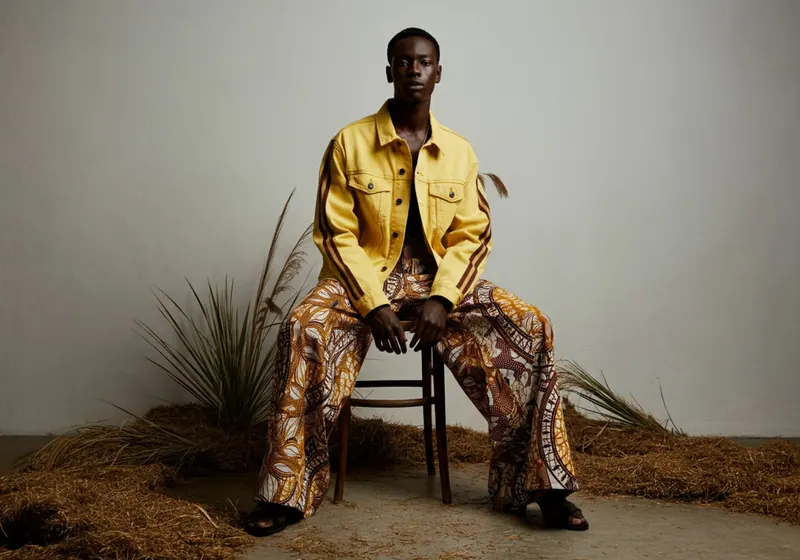
Send a one-page mood board with colours, surfaces and lighting references, and agree it with the photographer in advance. Decide on backgrounds, props and any hand or model shots. Changing the creative direction on the day is the most common reason shoots overrun.
A calm shoot day is the result of a busy week before it. Nothing about it is luck.
Decide who approves on set
Bring one person who can say yes. Shoots slow down dramatically when every frame is sent to a group chat for opinions. We tether the camera to a screen so the approver sees each shot as it is taken, and we mark selects on the spot. Ten minutes at lunch to review the morning saves an hour of second-guessing later.
Settle usage rights in writing
Before signing, confirm where and for how long you may use the images: web, print, paid ads, packaging, retail partners. Models in particular are often booked for specific uses and periods. Getting this right upfront costs nothing; extending rights after a campaign takes off can cost more than the original shoot.
Finally, ask how files will be delivered and named. A library labelled by product and format saves your team hours every month, long after the shoot itself is forgotten.
The night before
Pack the samples in labelled boxes, one per product, with a printed copy of the shot list on top. Add a small kit of your own: lint roller, cotton gloves, glass cleaner, double-sided tape and a spare of anything fragile. Confirm arrival times with everyone on the crew and share the address with parking notes. These details sound small, but on most shoots they decide whether the first frame is taken at nine or at half past ten.